Sanitation in a quick-service environment is not just a regulatory hurdle; it is a fundamental operational necessity. A counter layout that requires complicated maneuvering or specialized tools to clean will inevitably harbor bacteria.
The Danger of Right Angles
In structural design for food service, 90-degree inside corners are the enemy of sanitation. Dirt, grease, and moisture naturally accumulate in these crevices, and a standard cleaning cloth cannot effectively reach the apex of the angle.
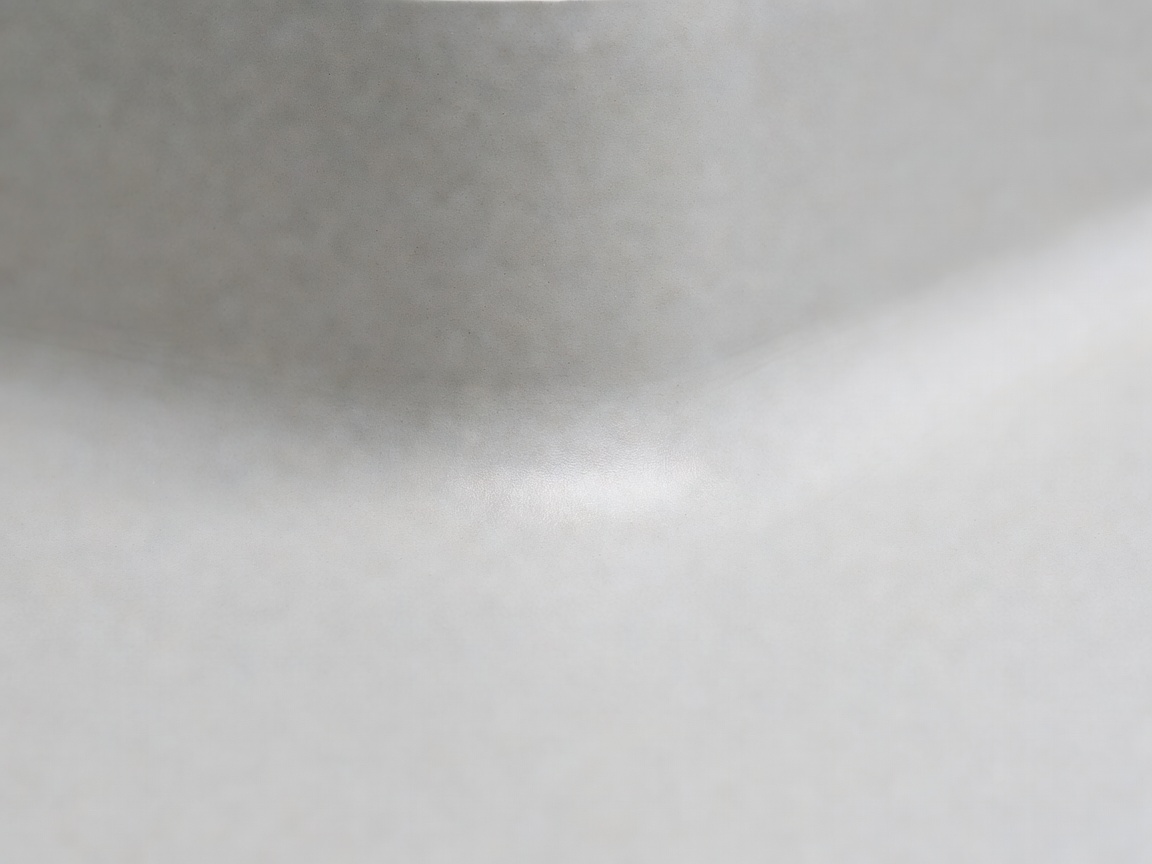
To combat this, surfaces must utilize coved corners. Coving is a design technique where the intersection between a vertical and horizontal plane (such as where the counter meets the backsplash) is smoothly radiused rather than meeting at a sharp angle. For NSF/ANSI Standard 2 compliance (the benchmark for food equipment), intersecting planes should ideally feature a radius of at least 1/4 inch, allowing a cloth or sponge to wipe the joint completely clean without trapping debris.
Seamless Fabrication
Every seam in a counter is a potential failure point for hygiene. When distinct sections of counter material are butted against each other and filled with silicone caulk, that caulk will eventually degrade, shrink, or mold under daily chemical cleaning.
If utilizing solid surface materials (like acrylic resins), joints must be chemically welded and sanded flush by certified fabricators, rendering the seam completely invisible and non-porous. If utilizing stainless steel, sections should be continuously TIG (Tungsten Inert Gas) welded and ground smooth on-site. Mechanical fasteners or overlap seams are unacceptable in food-preparation proximity.
Sneeze Guards and Breath Shields
Wherever unwrapped food is presented or assembled within proximity to the customer, protective barriers are mandatory. The design of sneeze guards has evolved significantly beyond the bulky, obtrusive metal frames of the past.
- Material: Tempered glass is strictly preferred over acrylic or polycarbonate. While plastics are shatter-resistant, they micro-scratch easily when wiped daily with coarse paper towels and ammonia-based cleaners, becoming cloudy over time. Tempered glass retains its optical clarity indefinitely.
- Mounting Hardware: Modern breath shields use minimalist, UV-bonded structural supports or slimline stainless steel posts (often called stand-offs) that minimize the surface area where dust and grease can collect.
- Angles: Regulatory frameworks often require the shield to intercept a direct line between the average customer’s mouth height (roughly 4'6" to 5'6") and the exposed food product. This generally dictates an angled overhang rather than a strictly vertical pane.
Under-Counter Accessibility
Surface hygiene extends to the cabinetry beneath the transaction counter. Floor-mounted cabinets with solid kickplates often conceal moisture and pest activity. Elevating the counter framework on stainless steel bullet feet—providing at least 6 inches of clearance from the finished floor—allows for daily sweeping and mopping underneath the entire structure, maintaining a sterile envelope from floor to ceiling.